
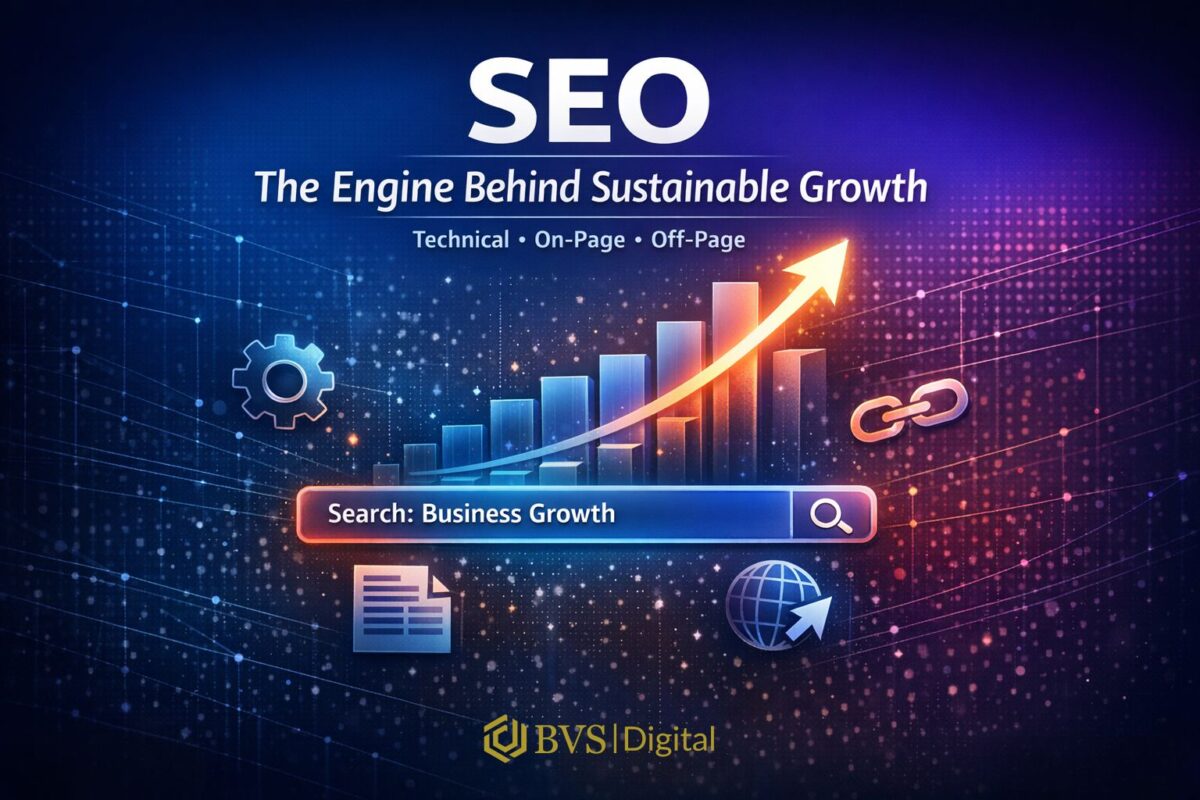
What is SEO?
SEO stands for Search Engine Optimisation, the practice of increasing website traffic through unpaid, organic search results on search engines. The goal is to improve your website’s visibility on search engine results pages (SERPs). Simply put, the higher your site ranks, the more likely people are to discover it.
A well-known concept in the SEO world compares the process to a hierarchy of needs, similar to Maslow’s pyramid. This idea highlights that effective SEO starts with strong fundamentals and builds upward. For digital marketers, mastering SEO is essential for helping brands get discovered online. And while trends and tactics evolve, the core principles of SEO remain consistent.
At its foundation, SEO can be divided into three main pillars that should be continuously optimised:
Technical SEO
This involves improving the technical aspects of your website to help search engines crawl and index it more effectively. These improvements usually happen behind the scenes and aren’t directly visible to users. Examples include improving site speed, fixing indexing issues and submitting a sitemap to search engines.
On-Page SEO
On-page optimisation focuses on your website’s content and user experience. It ensures your pages are relevant, valuable and structured around the right keywords. This includes optimising headings, meta descriptions, internal links and overall content quality. Many platforms like WordPress, Shopify or Wix make these optimisations easier to manage.
Off-Page SEO
Off-page SEO refers to actions taken outside your website to improve its authority and credibility. The most common example is building high-quality backlinks from reputable websites. These signals help search engines see your site as trustworthy, which can improve rankings over time.
How Search Engines Work: 3 Key Steps
Step 1: Crawling
Search engines use automated bots (often called spiders or crawlers) to discover content across the web. These bots scan pages and follow links to find new or updated content. For example, if a blog post is linked from your homepage, crawlers can follow that link and discover it.
Step 2: Indexing
Once a page is crawled, the search engine decides whether to store it in its database (index). Indexed pages can appear in search results. Pages may not be indexed if they’re duplicate, low-quality, blocked from crawling or lack authority.
Tip: You can check indexed pages by searching site:yourdomain.com on Google or using Google Search Console.
Step 3: Ranking
After crawling and indexing, search engines rank pages based on relevance and quality. There are 200+ ranking factors, but most fall under the three SEO pillars: technical, on-page and off-page SEO.
5 Ways SEO Helps Your Business
1. Builds Credibility
Websites that rank high are seen as trustworthy by both search engines and users. Improving site speed, optimising content, and targeting the right keywords can boost your credibility and authority.
2. Cost-Effective Marketing
SEO doesn’t require ad spend, just time and effort. Search engines work 24/7 to promote your content, helping you reach new customers organically. Focus on creating content better than your competitors and share it widely.
3. Strengthens Content Marketing
High-quality content and SEO go hand in hand. Optimising your text, images and videos for relevant keywords increases visibility, while regularly updating content keeps it fresh and engaging.
4. Amplifies Paid Campaigns
SEO complements PPC campaigns. Ranking organically alongside paid ads boosts brand trust and can improve overall campaign performance, especially on low-cost keywords.
5. Gives You a Competitive Edge
Most competitors invest in SEO, so staying visible is essential. Fast, mobile-friendly sites with great content and user experience outperform rivals and capture more traffic, especially on the first page of Google.
What are the SEO trends for 2026?
Brand Voice Matters
With more zero-click searches, a strong, consistent brand voice helps your business stay visible, build trust, and make content memorable.
Understand Search & AI Intent
Search intent remains key, but AI now plays a bigger role. Optimise content for what both users and AI are looking for.
Use Schema Markup
Structured data is essential for AI-driven search. Pages with proper schema see 20–82% higher click-through rates and up to 40% visibility in the AI Overview within weeks.
Don’t get lost online. Partner with BVS Digital’s SEO team and start ranking higher today.
Have questions or want to grow your business online?
Reach out to us today!
✅ Chat on WhatsApp: https://wa.me/+442081495260
✅ Visit our website: bvsdigital.co.nz